Service
Entry doors for openings that were never a standard size
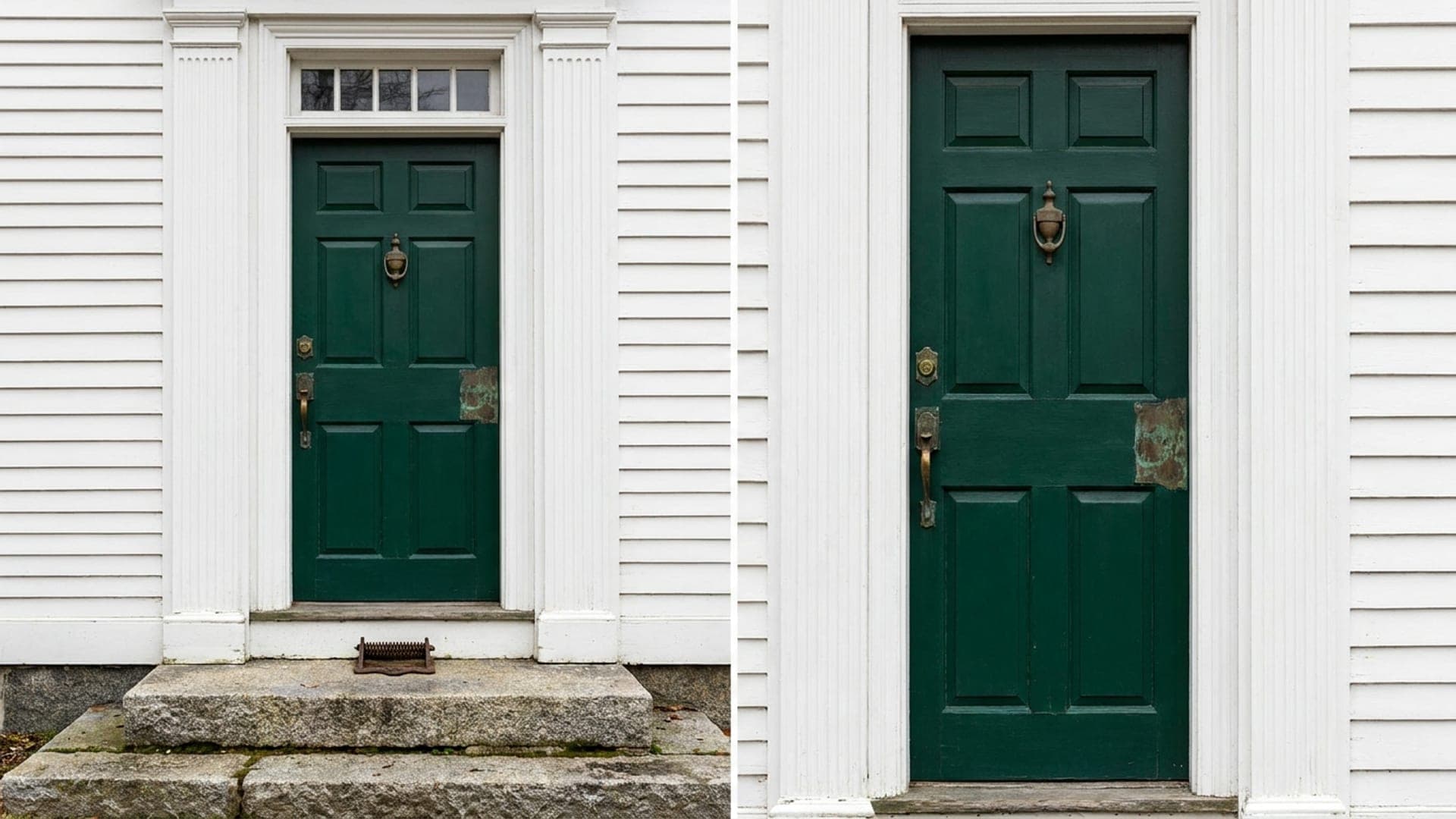
An entry door replacement recoups roughly 92 percent of its cost at resale, the highest of any project in this category. It is also the one most often done badly, because in an older house the opening is rarely standard and the jamb is rarely plumb.
Why the jamb is the job
A pre-hung door is a slab already hung in a new frame, and it drops neatly into a square, plumb opening. Older houses do not have those. A century of settlement means the opening is out of plumb, out of square, or both, and frequently not a current standard size. Setting a door in that opening means shimming, adjusting, and sometimes rebuilding the frame, and the labour in that is often larger than the cost of the door.
That is why quotes vary so much on what looks like a simple job. A quote that assumes a stock 36 by 80 unit drops in has not looked at the house. Ask specifically whether the opening was measured and whether the price assumes frame work.
The threshold and the sill are the other half. On a house with a granite step, check the pitch: many have settled to slope back toward the house, which channels water at the door no matter what door is in it. That is a masonry fix, not a door fix, and no new door will solve it.
Materials and what they do in this climate
Fiberglass runs roughly 1,800 to 4,000 dollars installed, lasts 30 to 50 years, will not rot, warp, or rust, and takes a convincing wood-grain finish. In coastal exposure it is the clear answer.
Steel at 1,200 to 2,400 is the cheapest and it is the wrong choice near salt water. It corrodes from the bottom edge up, usually within about five years of coastal exposure, and any dent is permanent. Inland and under a sheltered entry it is perfectly serviceable for 20 to 30 years.
Wood at 2,500 to 7,000 lasts anywhere from 30 years to a century depending entirely on whether the finish is maintained. It is what historic district commissions approve, it is what belongs on a Federal or Greek Revival entry, and it needs a storm door and a refinish every five to eight years to get there.
A storm door adds roughly 400 to 900 installed and does more than people expect on a shallow, unsheltered entry, which describes most capes and ranches in this region. On a deep covered porch it adds less.
What the house asks for
A Federal entry is a composition of door, transom, sidelights, and surround, and replacing the door alone without addressing the rest usually looks wrong. A Victorian opening is often 84 or 90 inches rather than 80, which pushes it into custom territory on height alone. A three-decker has three entries taking traffic from three households, which argues for commercial-grade hardware.
On a coastal cottage, the hardware specification matters as much as the door: plated finishes fail in salt air, and solid brass or stainless is the answer.
Where the original door survives on an early house and is sound, restoration plus weatherstripping plus a well-fitted storm door usually beats replacement on both cost and appearance. A door made in 1820 from old-growth stock is better material than anything at any price today.
What drives the price
Material and size first, then whether the opening is standard, then glass, then hardware, then whether sidelights or a transom are involved. Anything non-standard is custom, and custom means a six to twelve week lead time rather than two.
How long it takes
A straightforward replacement into a sound standard opening is a single day. An opening needing frame rebuilding, rot repair at the sill, or new sidelights runs two to three days. The house is only open for a few hours in any case, which is why this is a comfortable project to do in cold weather.
Entry Doors materials compared
Installed cost, how long it lasts, what it needs doing to it, and how it behaves within a mile of open water. No single material wins on every axis, and anyone telling you one does is selling it.
| Material | Per unit | Life | Maintenance | Coastal | Historic |
|---|---|---|---|---|---|
| SteelDents permanently, and the bottom edge corrodes in salt air. | $1,200 to $2,400 | 20 to 30 yr | Touch up finish | Fair | Rarely approved |
| FiberglassWill not rot or warp, and takes a wood-grain finish. | $1,800 to $4,000 | 30 to 50 yr | None | Excellent | Sometimes |
| WoodAppropriate in a historic district, and needs a storm door. | $2,500 to $7,000 | 30 to 100 yr | Refinish every 5 to 8 years | Fair | Usually approved |
Massachusetts baseline before regional adjustment. Estimates for this market, not quotes. Compare these over the years you plan to stay, which is where the cheaper option stops being the cheaper option.
What drives the entry doors price
Heaviest factor first. When two quotes differ by thousands, the difference is almost always in one of these six lines rather than spread evenly across the job.
| # | Factor | Typical effect | Why |
|---|---|---|---|
| 01 | Material | 1,200 to 7,000 dollars installed | Steel through wood. Steel is the wrong answer within a mile of open water. |
| 02 | Opening condition | Frequently larger than the door | In a settled house the jamb is not plumb and the opening is not a standard size. That labour is the job. |
| 03 | Sidelights and transom | Can double the unit cost | A Federal entry is a composition. Replacing the door alone usually looks wrong. |
| 04 | Non-standard sizing | Custom pricing and 6 to 12 week lead time | A Victorian opening is often 84 or 90 inches rather than 80. |
| 05 | Threshold and sill | Masonry item | A granite step settled to slope toward the house is a water problem no door will fix. |
| 06 | Storm door | 400 to 900 installed | Worth it on a shallow unsheltered entry, less so under a deep porch. |
Common questions
Fiberglass, in almost every case in this region. It costs roughly 50 percent more, lasts 30 to 50 years against 20 to 30, will not dent permanently, and does not corrode. Within a mile of open water, steel is simply the wrong material: the bottom edge corrodes within about five years regardless of the finish.
Steel runs roughly 1,200 to 2,400 dollars, fiberglass 1,800 to 4,000, and wood 2,500 to 7,000. Sidelights, a transom, or a non-standard opening push those higher. In an older house, frame work is frequently a larger share of the total than the door itself.
Because in a house that has settled, the opening is rarely square or plumb and often not a standard size. Setting a door properly means shimming, adjusting, sometimes rebuilding the frame, and frequently repairing rot at the sill. That labour is the job. A quote that matches the retail price of the slab has not accounted for any of it.
On a shallow, unsheltered entry, yes. It cuts wind-driven rain on the door, adds a modest thermal buffer, and extends the life of the finish, particularly on wood. Under a deep covered porch the benefit is smaller. Budget roughly 400 to 900 installed.
Usually, with approval of the panel configuration, material, and sometimes the hardware and colour. A six panel wood door in the correct proportion, painted, is the typical approved answer. Fiberglass is sometimes approved where it is not on a prominent facade. Check with the commission before ordering.
That is the regional figure for a standard replacement, and it is the highest recoup rate of any project in this category. The reason is that it is the first thing anyone sees and the cost is low relative to the visual change. It is one of the few improvements that is genuinely defensible as an investment rather than a lifestyle choice.
Entry Doors across all three states
Entry Doors is covered in Rhode Island, Massachusetts, and Connecticut. Pick a state for the local overview, or open a town to see the housing stock, the permitting authority, and a cost range for that market.
Doors in Rhode Island
39 municipalities
Doors in Massachusetts
351 cities and towns
Doors in Connecticut
169 municipalities